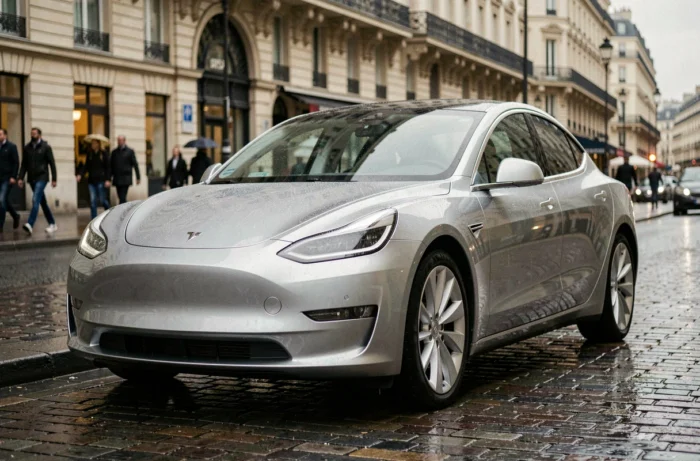
The European automotive market is undergoing a profound restructuring of its energy mix. 100% electric cars now account for about a quarter of new registrations in Europe, according to data compiled by the ICCT and JATO Dynamics for July 2026. Traditional internal combustion engines now represent only around 30% of market share during the January-July 2026 period. This shift is redefining the usual frameworks for understanding automotive trends.
Euro 7 Standard and Environmental Passport: What Changes for New Cars
The Euro 7 standard will come into effect starting November 2026 for new light vehicles. It is not limited to tightening CO2 emission thresholds; it also includes requirements on brake particles and tire wear emissions, two sources of pollution largely overlooked by previous regulations.
Another measure accompanies this standard: the vehicle environmental passport. This digital document, mandatory for new cars sold in the European Union starting November 2026, centralizes emissions, consumption, and durability data for each model. The stated goal is to enable buyers to compare actual environmental performance, rather than just homologation figures.
To keep track of these regulatory changes and their impact on the market, the auto section of Starlight Infos regularly compiles changes affecting French motorists.
Manufacturers selling internal combustion engine models must also comply with an average threshold of 108 g of CO2 per kilometer and a maximum reference weight of 1,500 kg to avoid penalties. These constraints directly impact the design of vehicle ranges: heavy gasoline SUVs become more expensive to produce and sell.
Electric Vehicles in France and Germany: The Structural Shift in the Market
The growth of electric car sales in Europe exceeds 50% in July 2026 compared to July 2025. This overall figure masks geographical disparities, but two markets are driving the trend: France and Germany.
In these two countries, the increase is no longer due to a niche effect or a seasonal spike related to incentives. BEVs (Battery Electric Vehicles) exceed 20% market share for the cumulative first seven months of 2026, according to Reuters and ICCT data. Hybrids (mild and full) are also progressing in parallel, further reducing the share of purely internal combustion engines.
Why This Acceleration in 2026
Three factors are at play:
- The arrival of affordable electric models, such as the new Dacia Spring, which is available for orders in France for under 15,000 euros, is repositioning the offer towards accessible segments.
- The tightening of the French ecological penalty is pushing buyers of new internal combustion vehicles towards hybrid or electric alternatives, purely for economic reasons.
- The charging station network is expanding sufficiently so that daily range is no longer the main barrier to purchase.
This shift is also changing the used car market. Recent internal combustion vehicles are losing residual value faster, while used electric vehicles are becoming more attractive as their medium-term reliability is confirmed.
Chinese Automotive Brands in Europe: An Offensive Redefining Competition
MG, BYD, Xpeng, Jaecoo, and soon Geely: Chinese manufacturers are no longer outsiders in the European market. Their market shares are reaching record levels in 2026, according to analyses from Forbes and Best Selling Cars Blog. Li Auto is also preparing to enter the European market with SUVs planned for 2027.
The strategy of these brands relies on aggressive pricing combined with high standard equipment levels. A compact Chinese electric SUV often offers features (central screen, driving assistance, connectivity) at a similar price that European manufacturers reserve for higher trims.
Reliability and After-Sales Network: The Real Questions
The purchase price does not summarize the total cost of ownership. Concerns revolve around the availability of spare parts and the density of the authorized repair network. MG benefits from the network inherited from its European distributor, but newer brands like Xpeng or Jaecoo are starting from scratch.
The manufacturer warranty, often extended to seven years on the battery, provides reassurance at the time of purchase. However, an owner needing to repair a specific body part may wait several weeks if European stock is limited. This factor affects resale value and insurance costs.
Paris Motor Show 2026: The Stakes Beyond New Releases
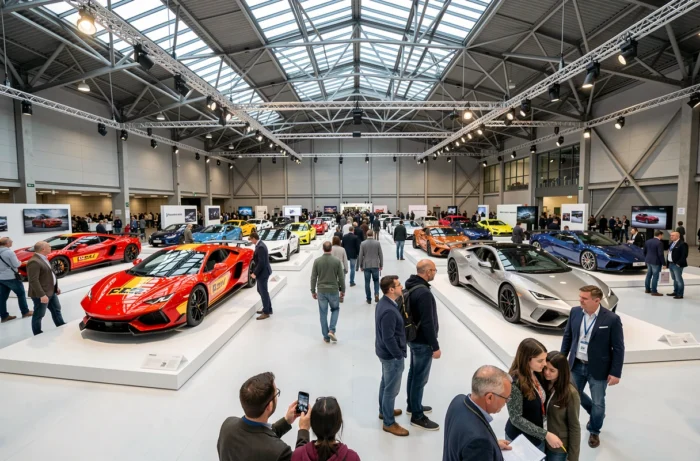
The Paris Motor Show 2026 will take place in October. Beyond model presentations, the event crystallizes a showdown between European manufacturers and regulators. Emission standards, tariffs on Chinese imports, and subsidies for electrification are among the contentious topics.
More than 150 new models are announced for the show, according to L’Automobile Magazine. Chinese manufacturers will be strongly represented, illustrating their desire to establish a lasting presence in the European market rather than settling for opportunistic exports.
Renault, Volkswagen, and other European generalists must simultaneously accelerate their electric transition and defend their market shares against competitors producing at lower costs. The Paris Motor Show 2026 will be both a commercial exhibition and a political negotiation ground between industry players and public authorities.
The automotive market can no longer be understood solely through model launches or monthly sales figures. The Euro 7 regulation, the environmental passport, the rise of Chinese brands, and the restructuring of the energy mix form a set of simultaneous transformations. For a buyer, understanding these dynamics directly influences the relevance of their vehicle choice, whether new or used.